
Why AI Matters for Vennlisk
Artificial intelligence is one of the most interesting strategic themes in the Vennlisk CIMA SCS pre-seen.
But students need to understand exactly what the pre-seen says.
Join our Free SCS Mini Course:
https://learn.keystoneacademia.com/course/cima-scs-nov-26-mini-course
Register for the free live session:
Keystone Academia – CIMA SCS Registration
Join our CIMA SCS WhatsApp community:
Join the Keystone Academia CIMA SCS WhatsApp Community
FACT: Vennlisk is currently evaluating AI. The pre-seen suggests AI software could be used to support and manage agents’ activities.
It does not say Vennlisk has replaced its call-centre agents with AI.
That distinction matters.
For SCS preparation, the question is therefore not simply:
Will AI replace Vennlisk’s employees?
A much better question is:
How could Vennlisk use AI to improve service and efficiency while managing the financial, employee, customer, privacy and governance risks?

How Could Vennlisk Use AI?
The pre-seen gives several specific applications.
1. Supporting Agents During Calls
AI could provide agents with useful information and recommendations while they are speaking to callers.
For example, software could summarise information from a caller’s file so the agent can reach an appropriate conclusion more efficiently.
ANALYSIS
This could potentially improve:
- speed of service
- consistency
- agent decision-making
and possibly:
- First Call Resolution.
If an agent can access the right information quickly, there may be less need to transfer calls or ask customers to contact the organisation again.
2. Identifying Caller Stress
The pre-seen also suggests AI could monitor conversations for signs of stress.
If concerns are identified, a supervisor could be alerted and potentially listen to or intervene in the call.
Why is this valuable?
Vennlisk handles calls for clients across sectors where customers may sometimes be dealing with difficult circumstances.
Its training already recognises the importance of emotional as well as technical skills.
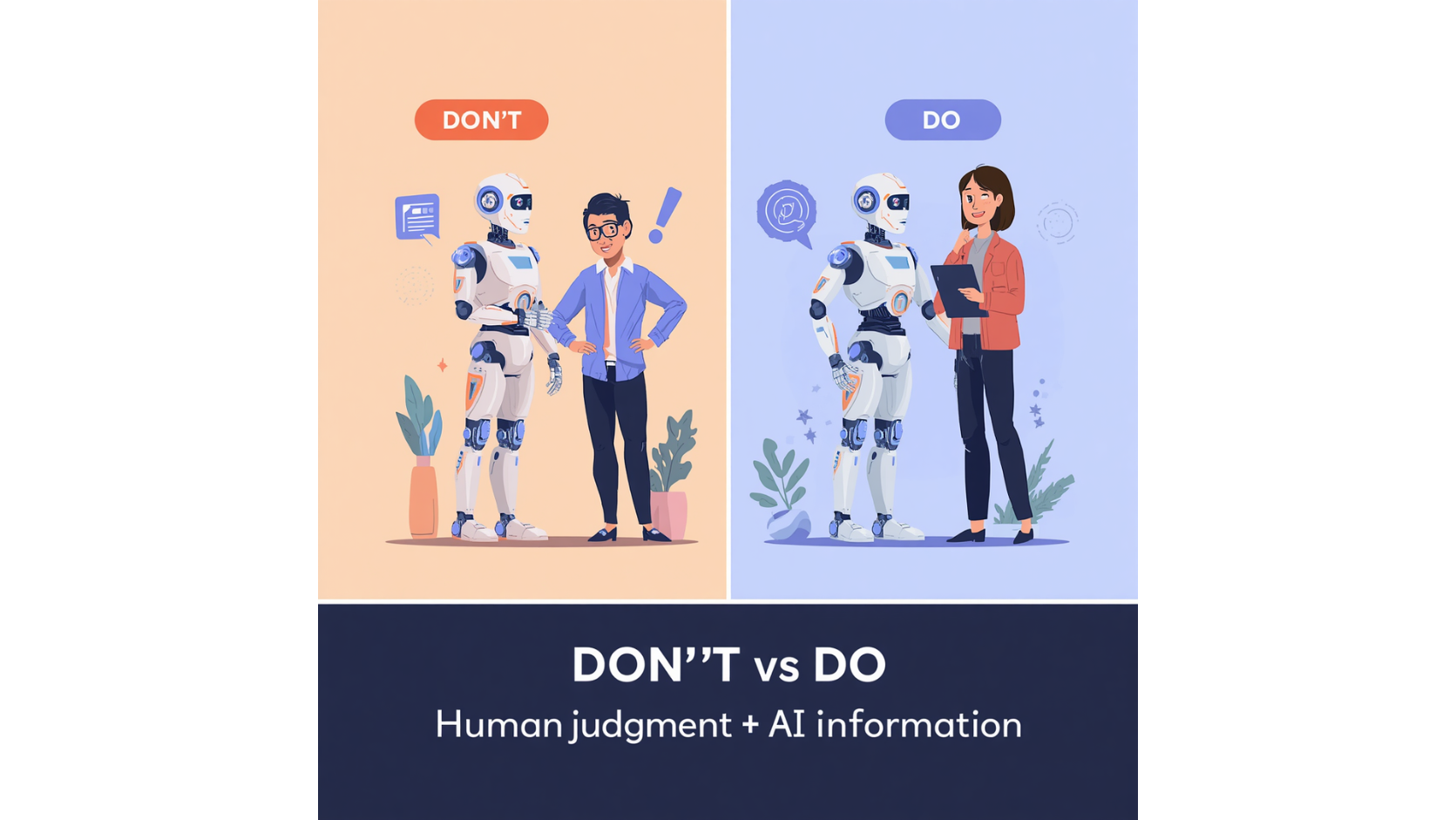
AI could therefore potentially support human judgement rather than replace it.
3. Monitoring Agent Performance
Vennlisk already tracks measures including:
- First Call Resolution
- Customer Satisfaction
and
- Average Handle Time.
AI could help identify patterns within those metrics.
For example, an employee might increase sales while customer satisfaction falls.
That could indicate that the employee is putting too much pressure on customers to complete purchases.
ANALYSIS
This is important because one KPI should not be improved at the expense of another.
Vennlisk needs to think about:
Productivity + Quality + Customer Experience
together.
Potential Benefits of AI for Vennlisk
If implemented successfully, AI could create several benefits.
- Better agent productivity
Agents could receive relevant information more quickly, potentially reducing time spent searching for information.
- Better service quality
AI could support employees with recommendations and identify situations where supervisor intervention may be useful.
- Better management information
AI could analyse large volumes of performance data and identify trends that managers might otherwise miss.
- More consistent service
Agents may receive more consistent information and support when handling calls.
- Competitive advantage
Vennlisk’s vision includes becoming Westland’s leading inbound-call solution provider in terms of both service quality and innovation.
Successful use of AI could therefore support that strategic direction.
But AI Is Not Automatically Good
One of the biggest mistakes SCS students could make is writing:
“Vennlisk should implement AI because it will reduce costs.”
That is far too simplistic.
AI creates potential benefits, but also introduces significant risks.
1. Privacy and Data Risk
Vennlisk’s agents may have access to client information when handling calls.
The pre-seen already identifies privacy as a principal risk for Vennlisk.
If AI systems process caller information, the Board would need to consider:
- what data the AI can access
- how data is stored
- who can access it
- whether client information is appropriately protected
and
- whether the system complies with relevant requirements.
Board implication
Privacy should be considered before implementation, not after a problem occurs.
2. AI Could Give Incorrect Recommendations
AI-generated recommendations may not always be appropriate.
POSSIBLE ISSUE
If an agent relies too heavily on an inaccurate recommendation, the caller could receive poor advice or service.
This could affect:
- Customer Satisfaction
- client relationships
- Vennlisk’s reputation
and potentially:
- financial performance.
Vennlisk should therefore maintain appropriate human oversight.
3. Employee Resistance
Vennlisk employs 5,000 agents, and its reputation depends significantly on employing and training competent people.
Employees could perceive AI as:
supportive technology
or
a threat to their jobs and performance assessments.
How management communicates the purpose of the technology could therefore be critical.
If employees believe AI exists mainly to monitor or replace them, morale could suffer.
That would be particularly concerning because employee demotivation and retention are already relevant Vennlisk risks.
4. Training Will Still Matter
Introducing AI does not eliminate the need for employee training.
It may actually create new training requirements.
Agents would need to understand:
how to use AI-generated information,
when to question it,
when to escalate a problem,
and when human judgement should override an automated recommendation.
Supervisors would also need training in interpreting AI-generated alerts and performance information.
5. Implementation Costs
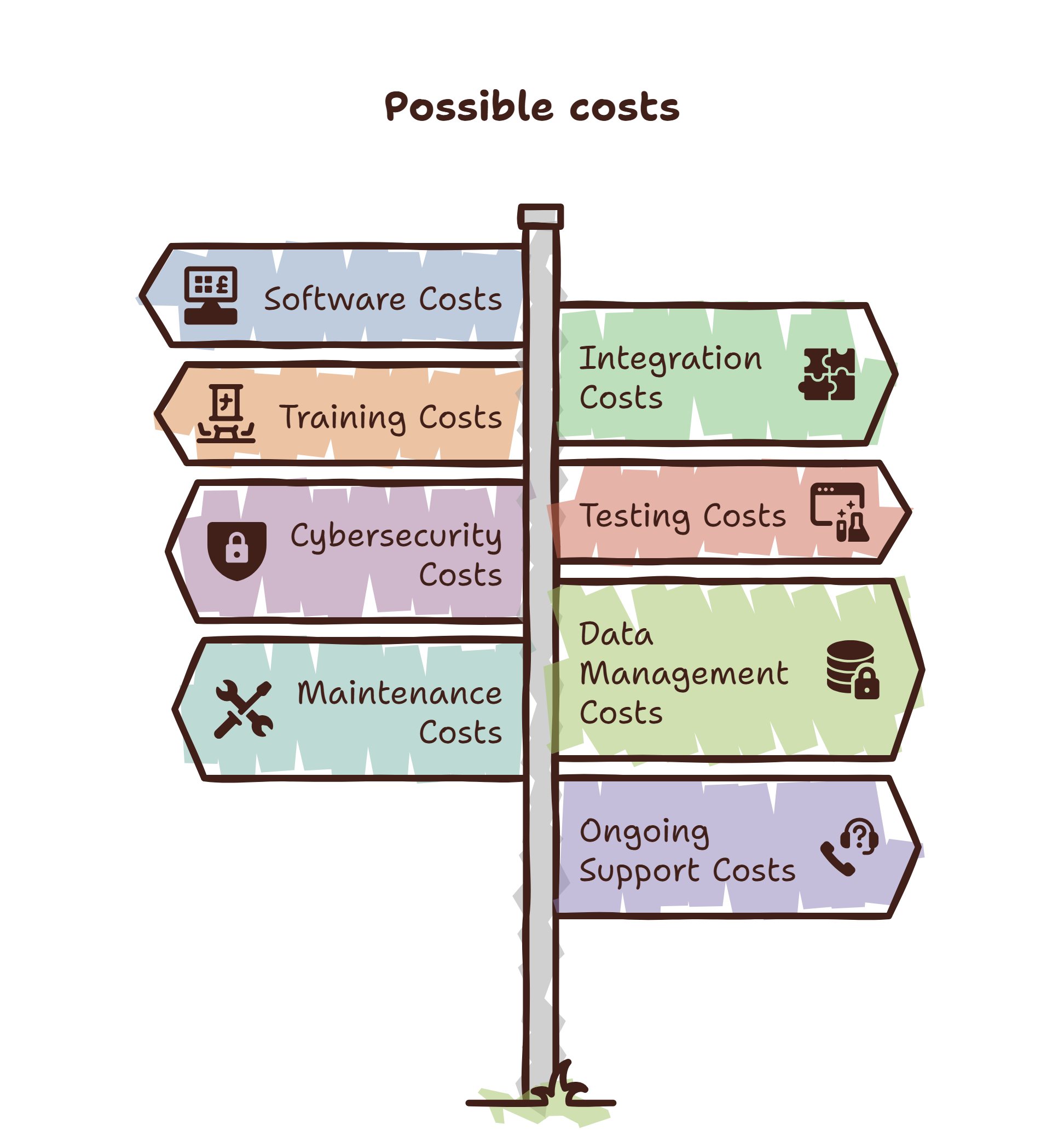
AI should be treated as an investment, not simply a technology trend.
Possible costs could include:
F3 implication
The Board should evaluate whether the expected financial and strategic benefits justify the investment.
Depending on the proposal, this could involve considering:
- cash flows
- NPV
- risk
- financing
and
- shareholder value.
6. Cybersecurity Risk
Greater dependence on technology can create additional cyber exposure.
AI systems could potentially become another part of Vennlisk’s technology infrastructure that needs to be secured.
A cyber incident involving sensitive caller or client information could create:
- operational disruption
- financial costs
- reputational damage
and
- loss of client trust.
This makes AI an important P3 risk-management issue, not merely an E3 digital-strategy topic.
AI and Vennlisk’s Employees: Replacement or Support?
The current pre-seen presents AI primarily as a technology that could support and manage agents’ activities.
That fits particularly well with Vennlisk’s existing emphasis on trained employees.
Vennlisk’s agents need both technical and emotional skills, and training is tailored to the clients whose calls they handle.
ANALYSIS
A potentially powerful model for Vennlisk is therefore:
Human empathy + Human judgement + AI information + Data analysis
rather than:
AI replaces humans.
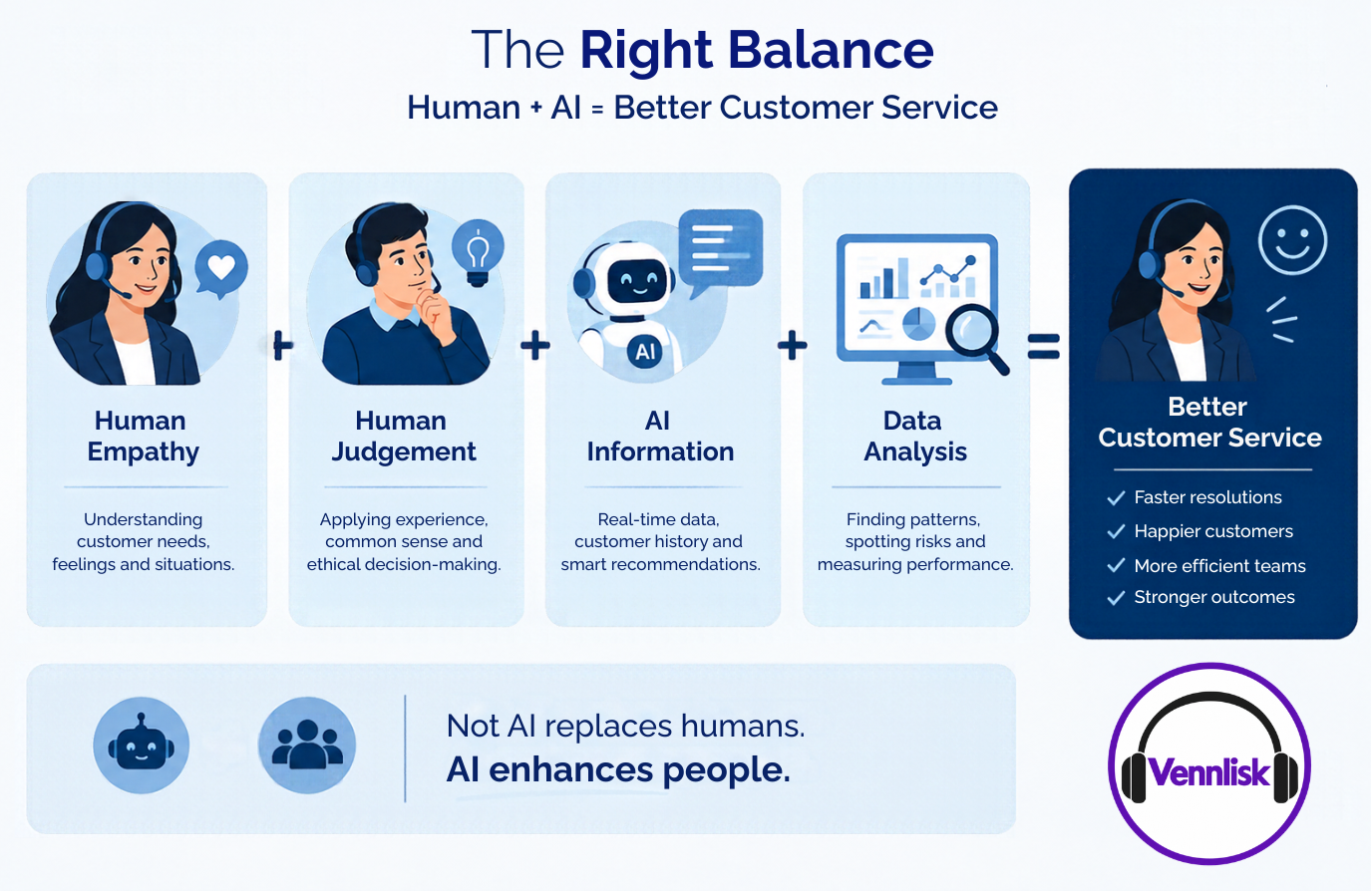
Technology could handle information-intensive tasks while agents concentrate on judgement, communication and empathy.
Whether that balance changes in the future would depend on the particular technology and strategic proposal.
AI Could Affect Vennlisk’s KPIs
Students should connect AI to the operational metrics rather than discussing technology in isolation.
| KPI | Possible AI Impact |
| First Call Resolution | Better information could help resolve more calls first time |
| Customer Satisfaction | Faster and better-informed service could improve satisfaction |
| Average Handle Time | Information could be retrieved faster |
| Service Quality | Recommendations could support greater consistency |
| Agent Performance | AI could identify trends and unusual patterns |
But there is an important warning.
If management uses AI purely to pressure employees into shortening calls, Average Handle Time might improve while Customer Satisfaction or First Call Resolution deteriorates.
Technology does not remove the trade-offs between KPIs.
AI and Vennlisk’s Strategy
AI fits naturally with Vennlisk’s stated focus on innovation.
However, strategic fit alone does not justify an investment.
The Board should ask:
Does it improve the customer experience?
Does it create measurable financial benefits?
Will clients value it?
Can employees use it effectively?
Can Vennlisk protect customer and client data?
What could happen if the technology fails?
How will management monitor performance?
Who is accountable for AI-related decisions?
These questions move an answer from generic AI discussion to Board-level SCS analysis.
E3, P3 and F3 Connections
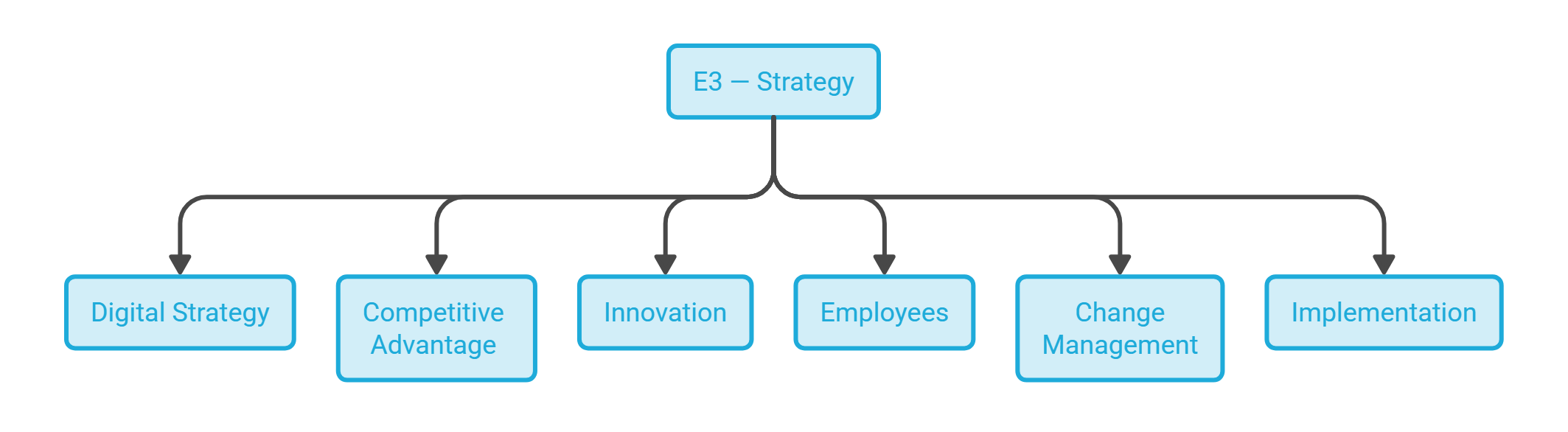
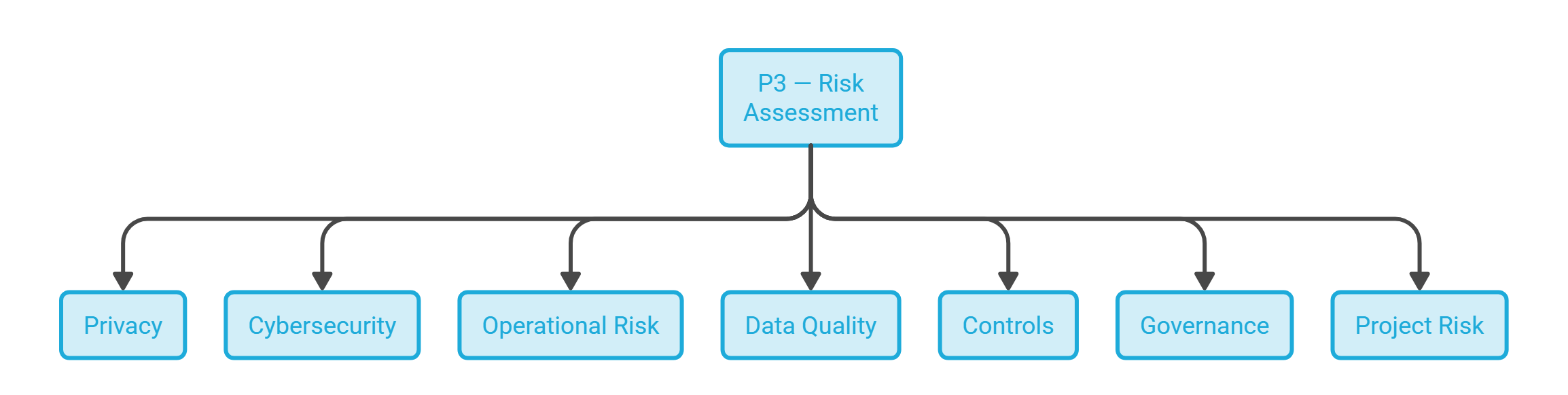
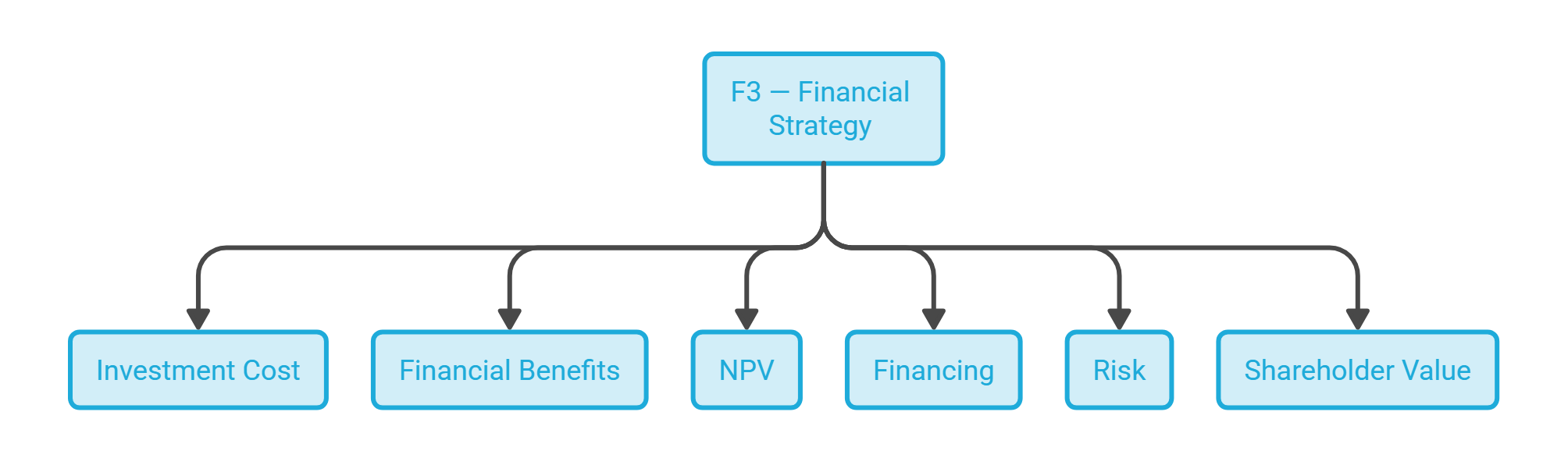
AI is a good example of why SCS answers should integrate the three pillars.
E3 — Strategy
Consider:
P3 — Risk
- Consider:
F3 — Financial Strategy
Consider:
A strong answer could use all three depending on the requirement.
What Should Vennlisk’s Board Do?
If Vennlisk moves forward with a significant AI investment, a sensible approach would include:
Build a clear business case. Identify measurable financial and service benefits.
Pilot before full implementation. Testing AI on a controlled basis could identify problems before large-scale rollout.
Protect data. Privacy and cybersecurity controls should be designed into the system.
Keep human oversight. Agents and supervisors should be able to challenge inappropriate recommendations.
Train employees. Employees need to understand both how to use the technology and its limitations.
Measure the right outcomes. Monitor FCR, Customer Satisfaction, Average Handle Time and other relevant measures together.
Establish governance. The Board should understand who is responsible for implementation, risk, performance and ethical use.
Possible SCS Unseen Developments
AI could potentially feature in scenarios such as:
- a proposal to purchase a new AI platform
- a major client requesting AI-supported services
- employee resistance to AI
- an AI-generated recommendation causing a customer problem
- a privacy or data-security concern
- an AI project exceeding its budget
- a competitor introducing advanced automation
These are plausible practice scenarios, not predictions of the examination.
The important skill is being able to advise Vennlisk’s Board whatever development the unseen introduces.
How to Write an Applied AI Point
Avoid:
“AI will improve efficiency and reduce costs.”
Instead, write something closer to:
AI could provide Vennlisk’s agents with faster access to relevant caller information, which may help improve First Call Resolution and reduce unnecessary handling time. However, management should monitor Customer Satisfaction alongside efficiency measures because faster calls would not create value if callers receive poorer service. A controlled pilot would therefore be preferable before wider implementation.
Notice the structure:
Point → Vennlisk application → consequence → recommendation
That’s much closer to SCS-level thinking.
Final Takeaway
Artificial intelligence could become strategically important for Vennlisk, but students should avoid reducing the issue to automation and cost savings.
AI potentially affects:
Agents + Customers + Clients + Productivity + KPIs + Data + Risk + Investment + Governance
The strongest opportunity may be using AI to enhance the capabilities of Vennlisk’s trained human agents, while preserving the empathy, judgement and service quality that support its competitive position.
For the SCS, think:
AI is not just a technology decision. It is a strategic, financial, people and risk decision.
FAQs
Is Vennlisk currently using AI?
The pre-seen states that Vennlisk is evaluating artificial intelligence and explains ways AI could support and manage agents’ activities. It does not state that Vennlisk has replaced its agents with AI.
How could Vennlisk use AI?
Potential applications in the pre-seen include providing useful information and recommendations to agents, detecting caller stress and analysing performance metrics.
Could AI replace Vennlisk’s agents?
The current pre-seen does not state that Vennlisk intends to replace its 5,000 agents with AI. The AI applications described primarily involve supporting and managing agents.
What are the main AI risks for Vennlisk?
Potential issues include privacy, cybersecurity, implementation costs, data quality, incorrect recommendations, employee acceptance, training and governance.
Is AI likely to appear in the Vennlisk SCS exam?
AI is a high-value preparation area because it appears explicitly in the pre-seen and connects strongly with E3, P3 and F3. However, this does not mean AI is guaranteed to appear in the exam.
Join our Free SCS Mini Course:
https://learn.keystoneacademia.com/course/cima-scs-nov-26-mini-course
Register for the free live session:
Keystone Academia – CIMA SCS Registration
Join our CIMA SCS WhatsApp community:
Join the Keystone Academia CIMA SCS WhatsApp Community
Next: What Are Vennlisk’s Biggest Risks?
AI creates opportunities — but Vennlisk also faces significant strategic and operational risks.
Our next Keystone Academia article examines:
Vennlisk Risk Analysis: Principal Risks, Controls & CIMA SCS Issues
We’ll look at Vennlisk’s stated risks and then consider how strategic developments could change the company’s risk profile.